Written by Dave Platter, Global PR Director
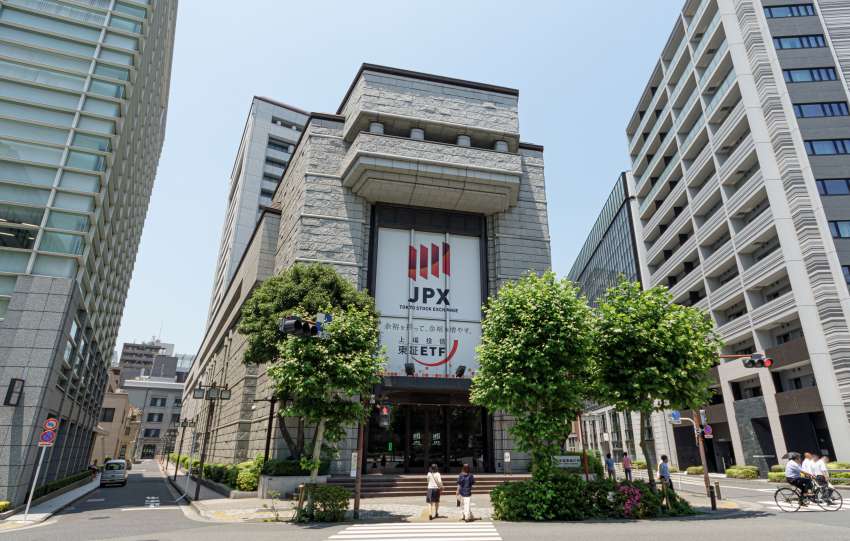
Japan’s property market has undergone a remarkable transformation over the past decade, shifting from years of stagnation to becoming one of Asia’s most appealing investment destinations. As highlighted by Juwai IQI Group CEO Kashif Ansari, Japan’s rebound is supported by a stable economy, low interest rates, major urban…
Written by Taco Heidinga, Global Real Estate Strategist Juwai IQI & Founder, Homes in Asia
As global citizens, we no longer chase only financial returns, we seek lifestyle, security, and global optionality. The world is shifting, and with it, the definition of a “safe” or “smart” investment. In 2025, three powerful trends define where capital is moving next:…
Written by Muhazrol Muhamad GVP, Head of Bumiputra Segment
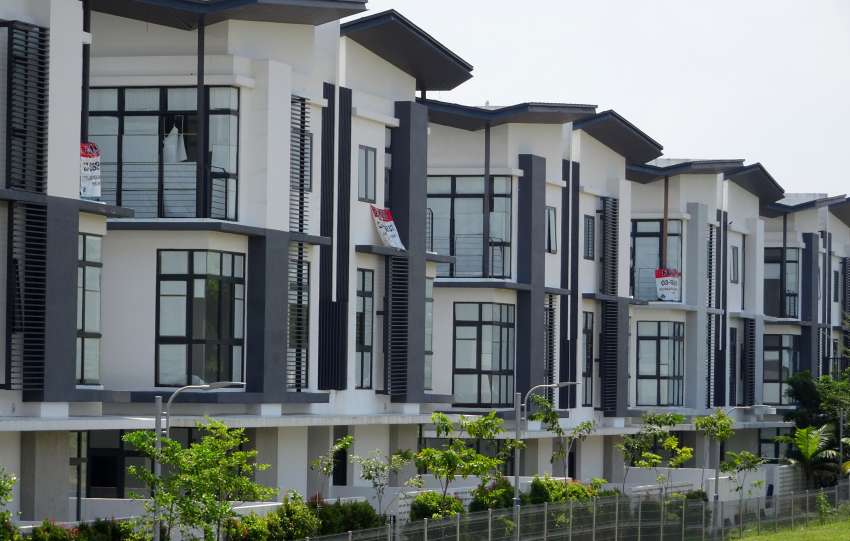
Malaysia is moving toward a safer and more buyer-focused property landscape through the Build Then Sell (BTS) 10:90 model, marking a major evolution from the traditional Sell-Then-Build structure. Driven by the Ministry of Housing and Local Government, the BTS 10:90 system requires buyers to pay only…
Written by Irhamy Ahmad, Founder and Managing Director of Irhamy Valuers International
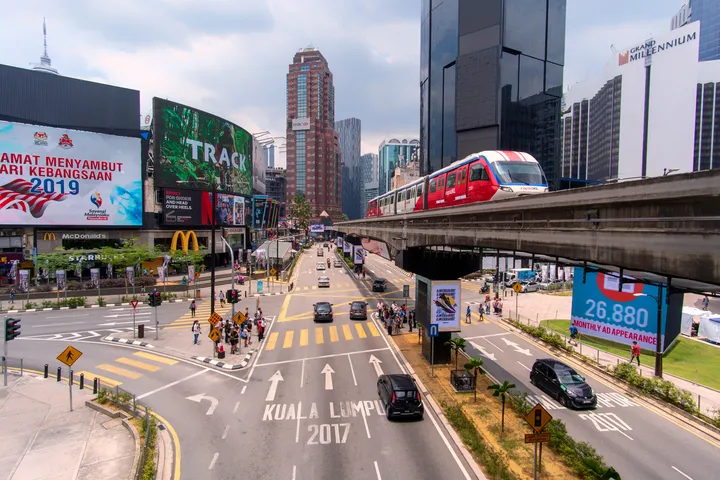
Malaysia’s industrial property market is accelerating as the automotive sector expands through rising domestic production and substantial foreign investment. Selangor remains the country’s most established hub due to its strategic access to Port Klang, while large-scale industrial growth is taking shape in Perak’s Automotive High-Technology Valley (AHTV).
Recent market data demonstrates this momentum…
Written by Shan Saeed, IQI Chief Economist
Central banks have got the limelight again. Since 2008, global central banks have taken sole responsibility in delivering economic outcomes, not out of choice but nobody else is taking the responsibility. Global Broad Money Supply (2000–Q3 2025).
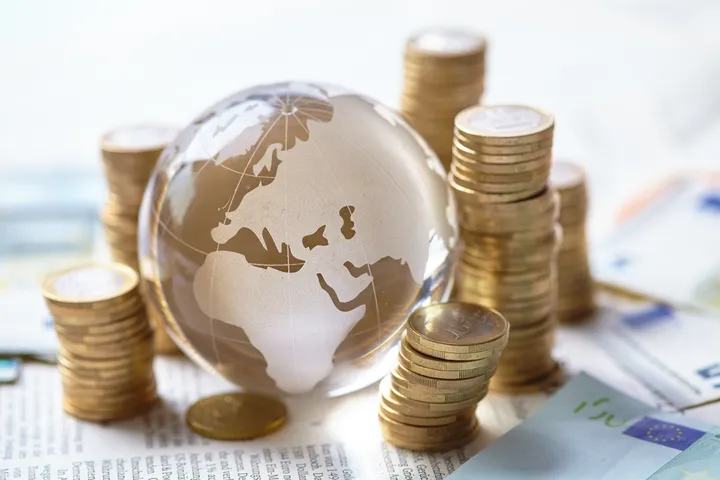
Global broad money supply* rose to $142 trillion in September 2025, up from$26 trillion in 2000,…
Written by Hamid R. Azarmi, Head of Business Development
As 2025 comes to an end, the global economy shows signs of stabilisation with the IMF projecting 2.8 percent global growth, reflecting easing inflation and the possibility of interest rate cuts in 2026.
While growth has not fully returned to pre-pandemic levels, markets have benefited from…
Written by Nelson Li, Head of IQI Hong Kong
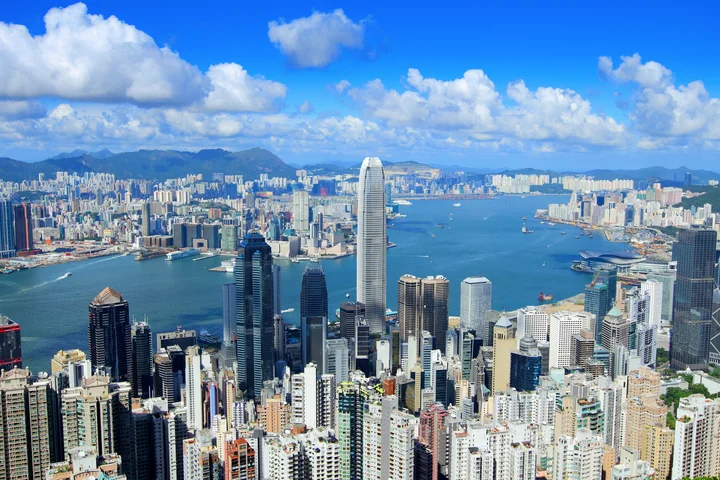
Hong Kong’s office sector recorded a positive shift, achieving 143,700 sq ft of net absorption, largely driven by increased leasing activity from banks and multinational firms. The overall office vacancy rate dipped to 13.4%, with Central improving to 11.0% and Wanchai/Causeway Bay easing to 12.0%.
Rents slipped marginally by 0.1% month-on-month, though early stabilisation signs appeared in select prime buildings. A notable…
Written by Manu Bhazin, Country Head of India
India’s retail industry is undergoing a major transformation, fuelled by rising disposable incomes, rapid urbanisation, a young demographic profile and growing appetite for premium consumer experiences.
According to BCG–RAI, the retail sector valued at ₹82 lakh crore in 2024 is projected to surpass ₹190 lakh crore by 2034, driven largely by the expanding middle-income segment and strong discretionary spending in fashion, F&B, beauty and entertainment.
On the real estate…
Written by Emmanuel Andrew Venturina, Head of IQI Philippines
Cavite is solidifying its position as one of the Philippines’ most dynamic property markets, driven by a strong local economy anchored in manufacturing, outsourcing and leisure industries.
Improved road connectivity across South Luzon has transformed Cavite from a suburban extension of Metro Manila into a vibrant urban center and major satellite city, attracting national developers…
Pakistan’s tourism driven and coastal real estate sector gained strong momentum in 2025, supported by domestic travel demand and increasing global investor interest.
Key destinations such as Gwadar, Karachi’s coastline and the northern mountain regions are rapidly emerging as real estate hotspots. Gwadar is undergoing a major transformation under CPEC, with the Gwadar Development Authority establishing a 2,585-acre Central Business District with valuable coastline frontage.
Karachi’s luxury waterfront is also…