






















Kota Kinabalu
High-Demand STR in East Malaysia’s Tourism Gateway
Position your portfolio in Sabah’s capital city, where 3.79 million annual visitors, strong urban occupancy rates, and growing infrastructure upgrades support sustained short-term rental demand. Learn more.
Explore NowWelcome to Kota Kinabalu, The Gateway to Sabah
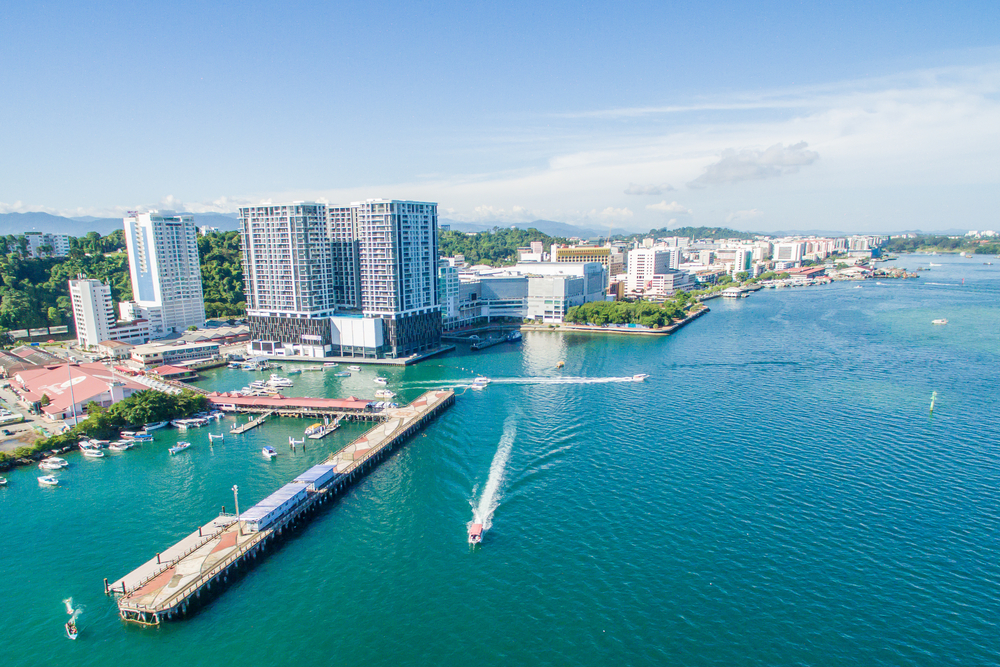
Kota Kinabalu is more than a coastal capital. As Sabah’s primary entry point, the city connects travellers to Mount Kinabalu, island-hopping adventures, and regional tourism routes across Borneo. This steady flow of visitors, combined with urban infrastructure and waterfront living, shapes Kota Kinabalu into a city where tourism and property demand intersect.
A Tourism Engine with Urban Backbone
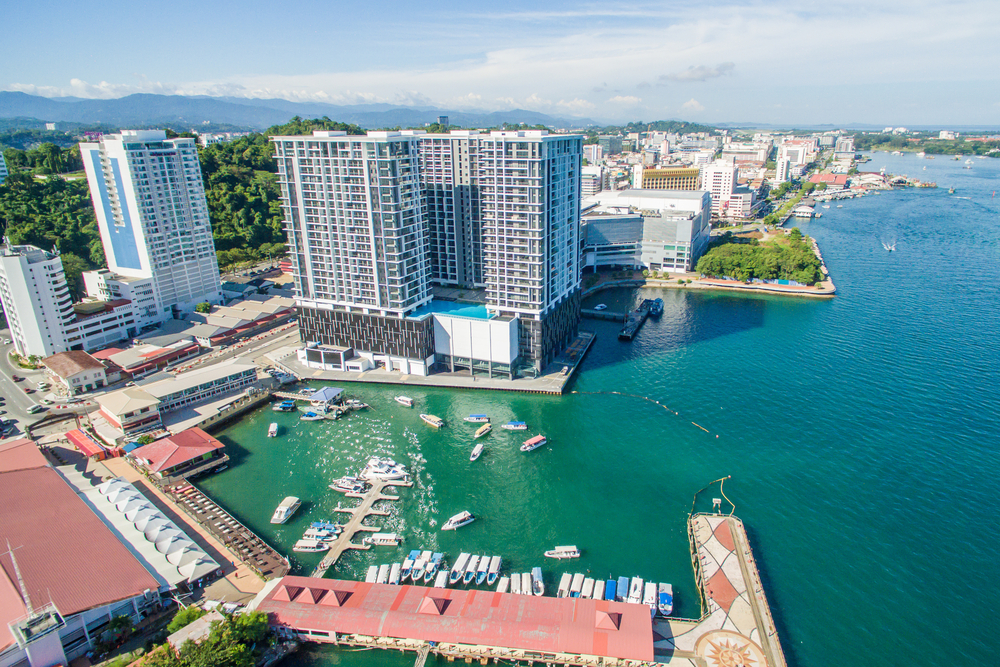
Kota Kinabalu is supported by international airport connectivity, ferry terminals, and city infrastructure, allowing it to sustain both short-term visitor demand and local residential growth.
Waterfront Living Meets Visitor Demand
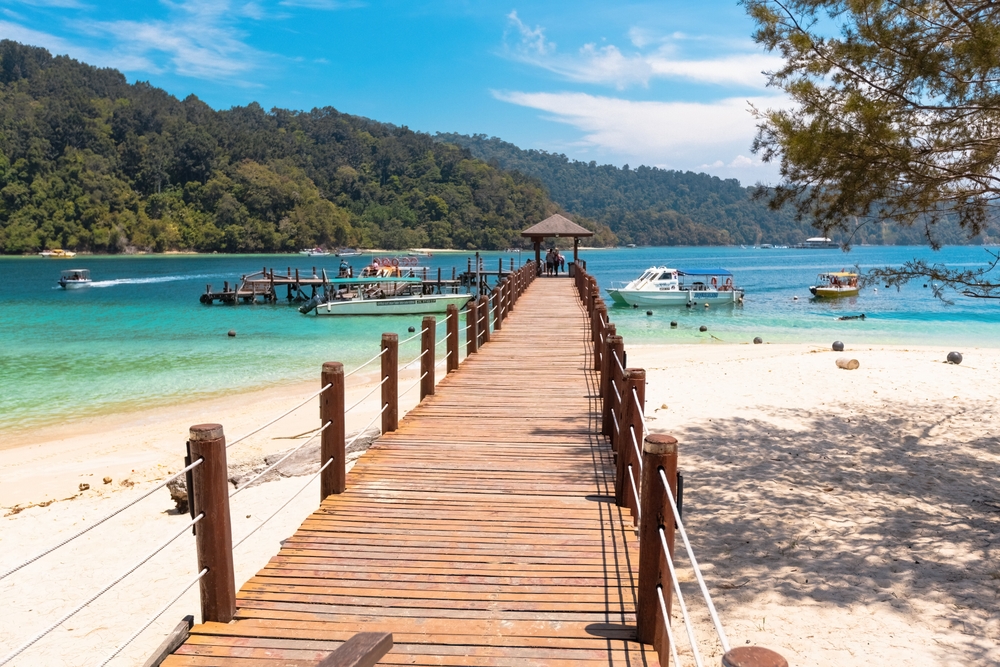
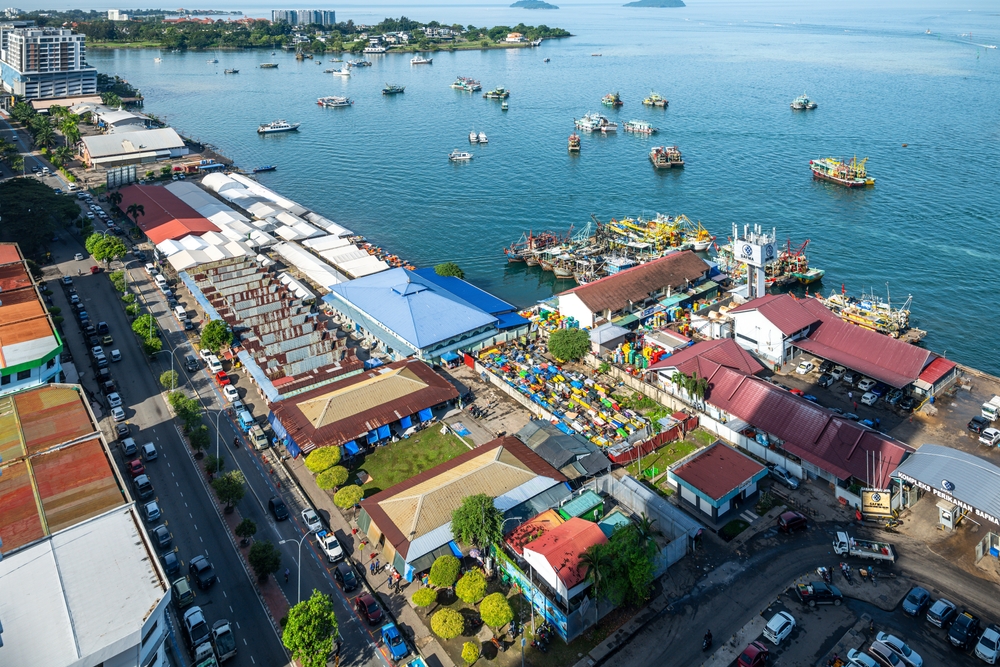
From Jesselton Point to Tanjung Aru, the city blends sunset views, island access, seafood markets, and walkable waterfront zones that naturally attract both tourists and short-term stays.
Positioned Early in Its Growth Cycle
Compared to more established urban tourism markets in Malaysia, Kota Kinabalu remains in a developing phase, offering entry opportunities before full market maturity.
What Living in Kota Kinabalu Feels Like
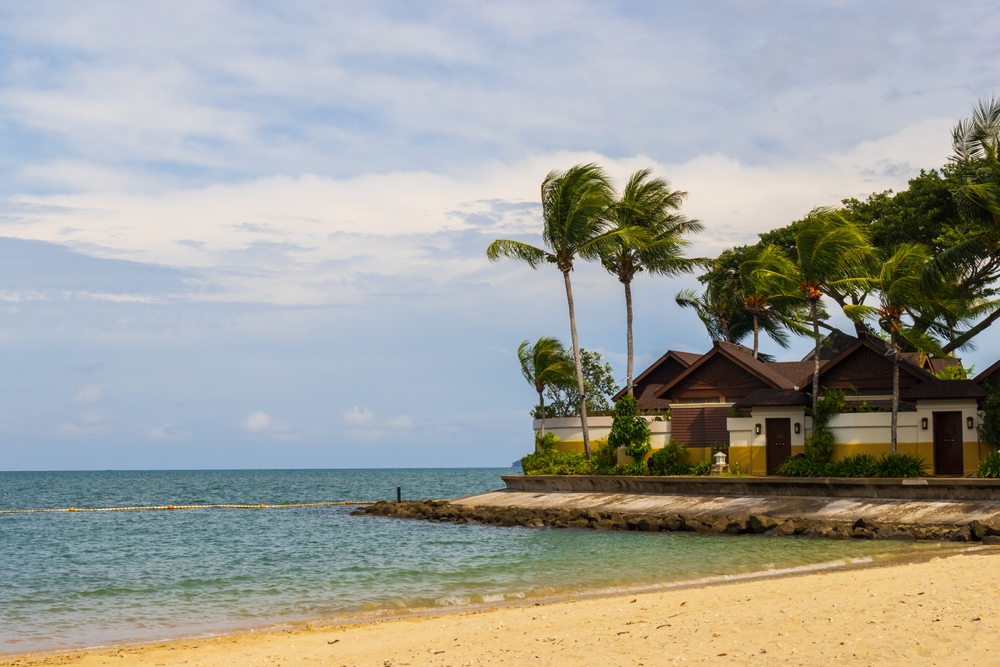
Morning by the Waterfront, Not in Traffic
Days often begin with sunrise views at Tanjung Aru, morning walks along the Kota Kinabalu Waterfront, or coffee near Jesselton Point before island ferries depart. The city’s coastal setting makes tourism and daily life naturally intertwined.
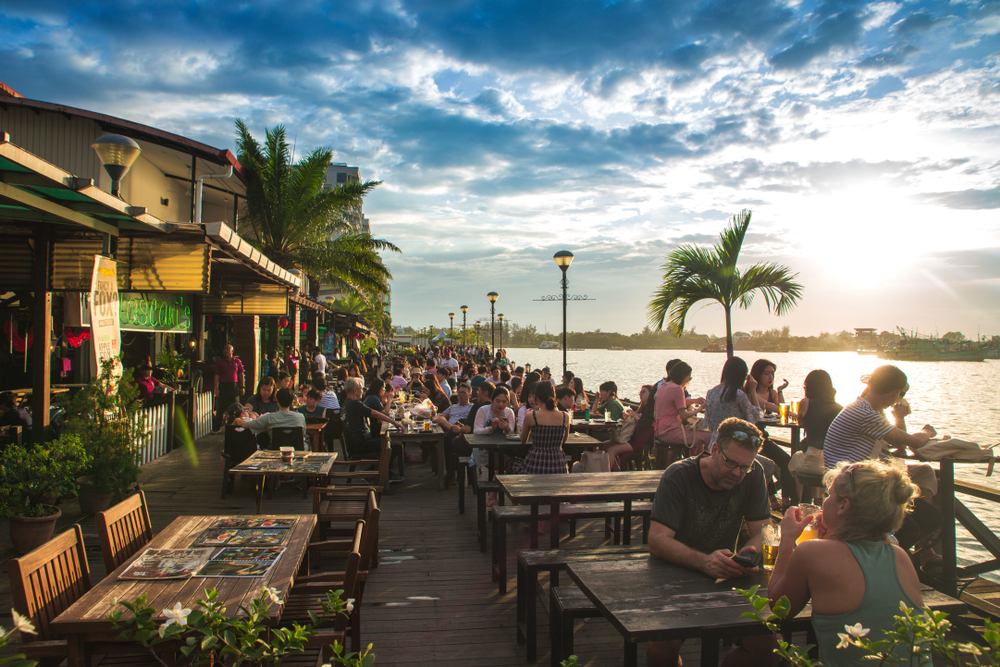
Midday Energy in the City Centre
By afternoon, Suria Sabah and Gaya Street fill with shoppers, café-goers, and travellers planning their next island trip. The compact city centre makes it easy to move between offices, malls, markets, and the waterfront without long commutes.
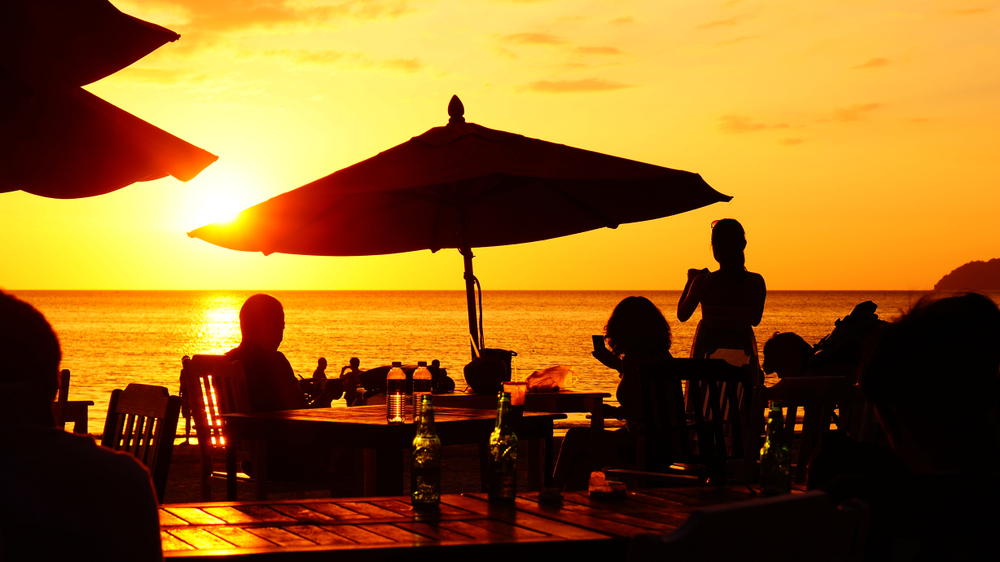
Evenings Defined by Sunset Culture
As the sun sets over the South China Sea, locals and visitors gather at waterfront restaurants, seafood markets, and night bazaars. Evenings in Kota Kinabalu feel lively but manageable, shaped by coastal views and a steady tourism pulse.
Discover Kota Kinabalu’s Key Areas
Key Amenities & Connectivity in Kota Kinabalu
Schools & Learning Pathways
- SM Sains Sabah (SMESH)
- SMK Agama Kota Kinabalu (SMKAKK)
- Maktab Sabah (Sabah College)
- SMK St. Michael
Universities & Colleges
- Universiti Malaysia Sabah (UMS)
- Universiti Teknologi MARA (UiTM) Sabah
- INTI College Sabah
- TAR UMT
- University College Sabah Foundation (UCSF)
Public Transport & Connectivity
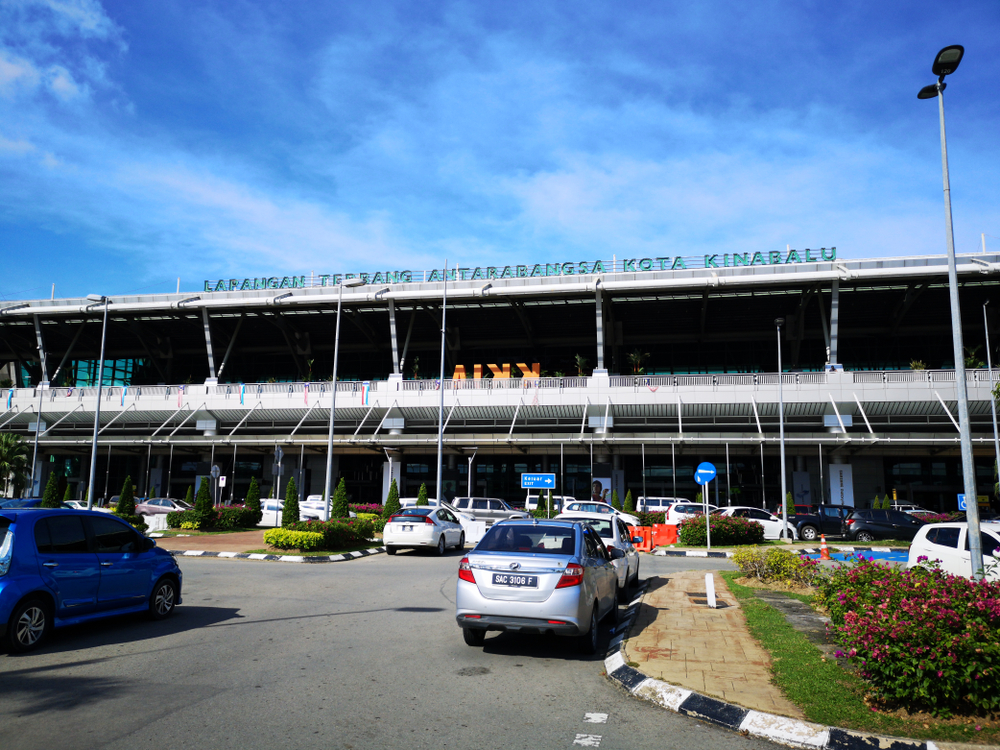
- Kota Kinabalu International Airport (KKIA): Sabah’s primary international gateway
- Jesselton Point Ferry Terminal: Main departure point for island-hopping
- Kota Kinabalu Port: Commercial and logistics hub
- Pan Borneo Highway (Sabah Section): Key regional connectivity corridor
- Keretapi Negeri Sabah (Sabah State Railway): Borneo’s only railway line, linking Kota Kinabalu to Tenom via Beaufort
- Bas Tahap & BAS.MY Kota Kinabalu (“Pink Bus”): Modern 2026 city bus network with smart features
Hospitals & Healthcare
- Hospital Queen Elizabeth (HQE)
- Gleneagles Hospital Kota Kinabalu
- KPJ Sabah Specialist Hospital
- Jesselton Medical Centre
- Sabah Women and Children Hospital
Tourism & Local Attractions
- Tanjung Aru Beach
- Jesselton Point & Kota Kinabalu Waterfront
- Gaya Street Sunday Market
- Mount Kinabalu
- Tunku Abdul Rahman Marine Park
- Kundasang
- Kinabatangan River
Where Tourism Shapes Property Demand
Kota Kinabalu’s property market is driven by tourism-backed demand and steady urban activity. In 2025, Sabah recorded 3,793,709 (3.7Million) visitor arrivals, surpassing its initial target, with 60.5% made up of domestic travellers. This strong domestic base provides year-round demand stability rather than relying purely on seasonal international peaks.
Hotel performance reflects this momentum. Urban occupancy rates averaged around 64% in 2025, with selected 3-star and 5-star segments approaching 70% during peak quarters. This sustained visitor flow supports short-term rental activity, particularly around waterfront, city-centre, and island-access zones.
Compared to more mature tourism markets in West Malaysia, entry prices in Kota Kinabalu remain relatively accessible, positioning the city as an emerging STR-focused market rather than a fully saturated one.

The Next Phase of Kota Kinabalu’s Growth
Looking ahead, Sabah has set a new target of 4 million visitor arrivals for 2026, signalling continued confidence in the state’s tourism trajectory. As the primary entry point, Kota Kinabalu stands to benefit directly from this upward momentum.
Beyond visitor targets, growth is supported by infrastructure modernisation. Enhancements to Kota Kinabalu International Airport, continued progress along the Pan Borneo Highway, and urban transport upgrades including BAS.MY and Sabah State Railway improvements are strengthening connectivity and accessibility.
Together, these structural improvements position Kota Kinabalu to transition into a more mature tourism-backed property cycle, supported by stronger infrastructure rather than speculative expansion.
Explore Homes & Projects in Kota Kinabalu
-
Kensington Garden
There is no property project named Kensington Garden located in Jesselton, Penang, Malaysia. "Jesselton" is the former name of Kota Kinabalu, which is in Sabah, East Malaysia, not Penang. There is a property project named Kensington Garden located in Kota Kinabalu, Sabah . Its address is: Jalan Bundusan, Kota Kinabalu, Sabah, Malaysia.
Number of units
69
0 - 0 ft²183Starting from RM 4,600,000
Explore projectNew Listing
-
New project in KK
Off, Jalan Fung Yei Ting, Mile 3, Jalan Tuaran, 88450 Kota Kinabalu, Sabah
Expected Completion Date
December 13, 2028
Number of units
762
2-4697 - 1,132 ft²3286Starting from RM 509,800
Explore projectNew Listing
-
Bukit Bantayan Residences
Gamuda Land, Jalan Bantayan Minintod, Bukit Bantayan, 88450 Kota Kinabalu, Sabah
Expected Completion Date
December 31, 2020
Number of units
912
1-22-2904 - 1,100 ft²3648Starting from RM 403,560
Explore projectNew Listing
-
Maya Condominium at Likas
88400 Kota Kinabalu, Sabah
Expected Completion Date
April 01, 2019
Number of units
483
2-32-3910 - 1,562 ft²5354Starting from RM 476,710
Explore projectNew Listing
-
Ready Built Factory Phase 5 (RBF 5)
RBF 5, KKIP. Kota Kinabalu Industrial Park, 88460 Kota Kinabalu
Number of units
54
3,725 - 6,343 ft²3509Starting from RM 2,293,829
Explore projectNew Listing
-
Meridian Garden
Jalan Bersatu, Damai, 88300 Kota Kinabalu
Expected Completion Date
February 28, 2022
Number of units
8
5-55-54,201 - 4,254 ft²3839Starting from RM 2,600,000
Explore projectNew Listing
-
i-PARK Light Industry @ Penampang
Jalan Penampang Lama, 88300 Kota Kinabalu
Expected Completion Date
December 31, 2023
Number of units
8
2,069 - 2,923 ft²3257Starting from RM 1,600,000
Explore projectNew Listing
-
Likas Square Apartment
1, Jalan Istiadat, Kampung Likas, 88400 Kota Kinabalu
Number of units
203
3-32-21,254 - 1,890 ft²3363Starting from RM 499,000
Explore projectNew Listing


What Are Experts Seeing in Kota Kinabalu's Market?
"This is a positive sign as it shows that first-time buyers are entering the property market in Sabah at a faster rate than investors and foreign buyers... Compared to national trends, Sabah has more local first-time buyers and more local upgrade buyers."
Kashif Ansari, Co-Founder & Group CEO, Juwai IQI
"Sabah is often seen as the 'hidden gem' of Malaysia... With improved connectivity through the Pan Borneo Highway and significant budget allocations for infrastructure, the medium-term outlook for the Sabah property market remains constructive, especially in the affordable and hospitality-driven mixed-use segments."
Vincy Lim & David Leong, IQI Real Estate Negotiators
Sabah’s Housing Boom: How It Became More Than Just ‘Tourism Spot’
"While KL, Penang, and Johor dominate Malaysia's property headlines, the Bornean states of Sabah and Sarawak are often overlooked. With the Pan Borneo Highway nearing completion, new allocations under Budget 2026, and rising investor interest in tourism, logistics, and green industries, things are about to change."
Keith Ooi, Group Managing Director, Knight Frank Malaysia
BFM / Knight Frank Malaysia Report, Jan 2026
Considering Kota Kinabalu for your next STR or investment move?
Speak with an IQI Kota Kinabalu specialist to explore high-demand zones, rental potential, and neighbourhood insights aligned with your investment goals.
Frequently Asked Questions
Is Kota Kinabalu a strong market for short-term rental investment?
Yes. Sabah recorded 3.79 million visitor arrivals in 2025, with urban occupancy rates averaging around 64% and peaking near 70% in key segments. This consistent visitor flow supports sustained STR demand, particularly in city-centre and waterfront locations.
Are there still early entry opportunities in Kota Kinabalu?
Compared to more saturated tourism markets in West Malaysia, Kota Kinabalu remains in a developing phase. Entry pricing remains relatively accessible while tourism volume continues to expand, offering positioning advantages for early movers.
Which areas offer the strongest STR potential?
Properties near Jesselton Point, the Waterfront, and Tanjung Aru typically benefit from higher visitor traffic due to proximity to ferry terminals, beaches, and commercial hubs.
Is demand overly dependent on international tourism?
No. In 2025, 60.5% of arrivals were domestic travellers, creating a more stable demand base that reduces reliance on international travel cycles.
How sustainable is Kota Kinabalu’s growth outlook?
With a 2026 visitor target of 4 million arrivals, continued airport and highway upgrades, and urban transport modernisation, Kota Kinabalu’s growth is increasingly supported by structural infrastructure improvements rather than short-term momentum.
Be updated on new launches
Subscribe to our emails to find out about the latest property news, trends and launch dates.

